
Since the release of the first version of ChatGPT on November 30, 2022, Generative Artificial Intelligence has taken the internet by storm. Flocks of internet users have asked ChatGPT’s chatbox for advice on everything from medications to camping trips and sports betting. Big Tech companies like Microsoft and Google have invested billions of dollars into their AI projects. These investments into AI usage in the early 2020s have been referred to as the AI boom. But is this boom sustainable? Much like the early 2000’s, the internet was new and growing, coinciding with the “Dot-com bubble,” but when the economy went into a recession in 2008, the “dot-com bubble” crashed. If the U.S. economy is heading towards a recession, will the AI bubble crash?
Signs are showing the bubble will crash soon, as OpenAI, the company behind ChatGPT, announced on March.24, it would be closing down its generative text-to-video AI model, Sora. “We’re saying goodbye to the Sora app. To everyone who created with Sora, shared it, and built a community around it: thank you. What you made with Sora mattered, and we know this news is disappointing,” OpenAI said in a statement. This was after OpenAI backed out of their one billion dollar partnership deal with Disney. The deal would allow Sora to generate short videos with Disney characters, and Disney investing a billion dollars into AI projects.
However, an AI bubble crash would yield a catastrophic effect on the U.S economic growth. JP Morgan estimates AI investment contributed 1.1% of the Q1 economy. Barclays estimates AI investment could contribute to the U.S economy by more than 10% by 2029. In this state of the economy, we cannot afford to let a vital technological industry falter.
Will the AI bubble burst in 2026?
REUTERS/via SNO Sites/Bhawika Chhabra
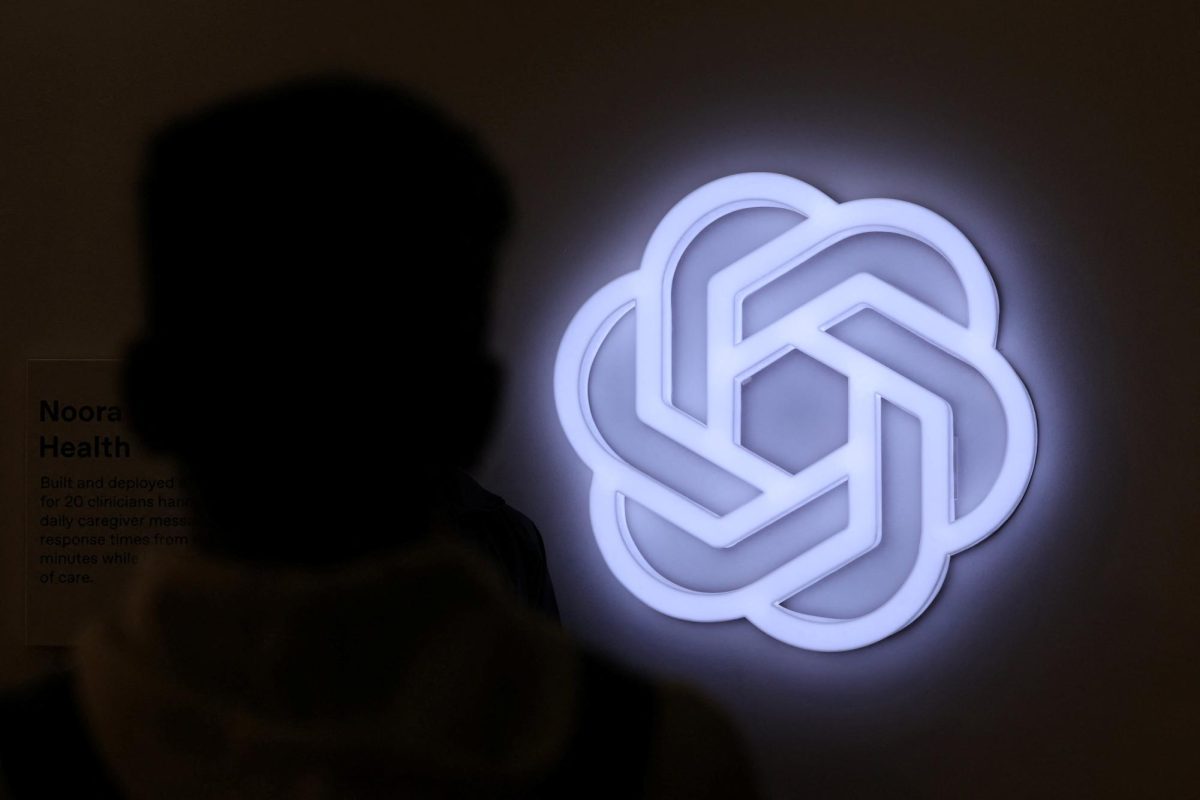
A person stands next to the logo of ChatGPT, an AI-powered chatbot by OpenAI at Bharat Mandapam, one of the venues for AI Impact Summit, in New Delhi, India, February 17, 2026. REUTERS/Bhawika Chhabra