
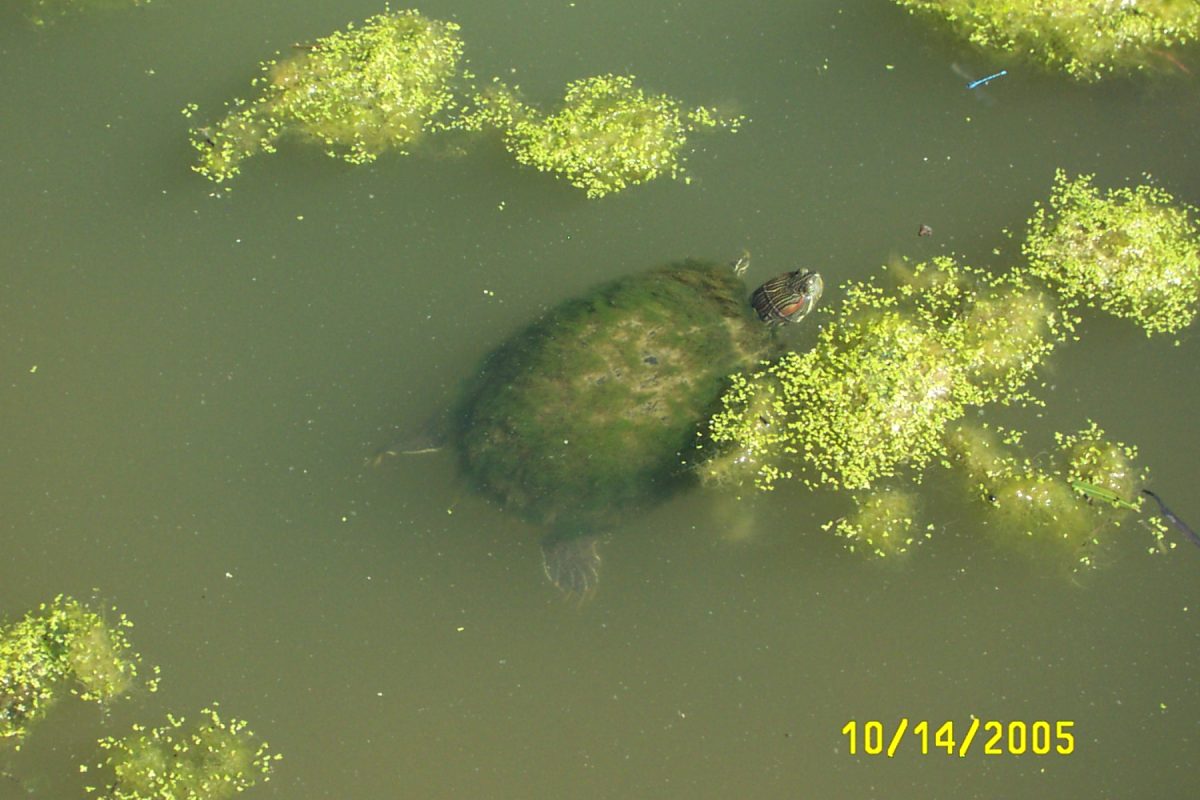
As the weather gets warmer, it’s more common to see turtles out in ponds and crossing the roads. The question is: where do they go when it’s cold? Actually, there is a simple answer, and it’s sometimes called “butt breathing,” because there is a gas exchange happening underwater.
Of course, turtles survive by breathing in oxygen, but it’s also quite rare to see them out on land when it’s cold. This is because turtles are cold-blooded animals and cannot survive in cold temperatures on their own. The good news is that turtles can stay underwater for really long periods of time due to a process called cloacal respiration. This process slows down the turtle’s metabolism by around 95% as the turtles sink and burrow into the warm mud at the bottom of a lake or pond, allowing them to breathe in the small amount of oxygen around them through an opening used for other tasks like laying eggs, mating, and getting rid of waste.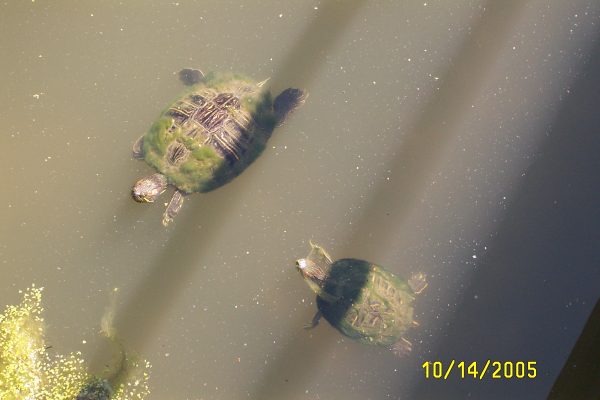
In an article by Mount Grace, a website and company dedicated to making the environment better, the author writes “While it doesn’t replace normal breathing entirely, cloacal respiration provides just enough oxygen to sustain turtles through the winter months.” They also emphasize that it is important to keep our water and wetlands as clean as possible, in order for the turtles to live as happy and healthy as they can during the cold months.
Even though by the calendar, winter doesn’t end until March 20, the weather has been above 50 degrees almost daily, so it’s likely that turtles will slowly start making their way back up to the surface, especially if temperatures stay consistent to what they are now.