
When winter rolls around, we usually see more seasonal sicknesses—things like colds, the flu, and other breathing viruses really start to show up. When people are inside together, especially if they are close, it is easier for sickness to spread. It feels like getting sick is just part of life as of now, but experts say that a lot of these illnesses are actually things we can stop if we stick to healthy habits.
Washing your hands well is actually one of the very best ways to stop sickness from spreading. Germs really love hanging out on things we touch all the time, like door handles, phones, desks, and even shopping carts at the store. To get rid of those bad bacteria and viruses before they can get into your body, you need to wash your hands with soap and water for at least 20 seconds. When you cannot wash your hands, using an alcohol-based hand sanitizer with at least 60 percent alcohol can really cut down on germ spread.
Getting enough sleep is also a big part of staying healthy. Sleep is important for your body to recover and to keep your immune system strong. When you do not get enough rest, your body’s defenses go down, and you become more susceptible to getting sick. Doctors suggest adults try to get about seven to nine hours of sleep each night, while teenagers may need even more than that to stay healthy.
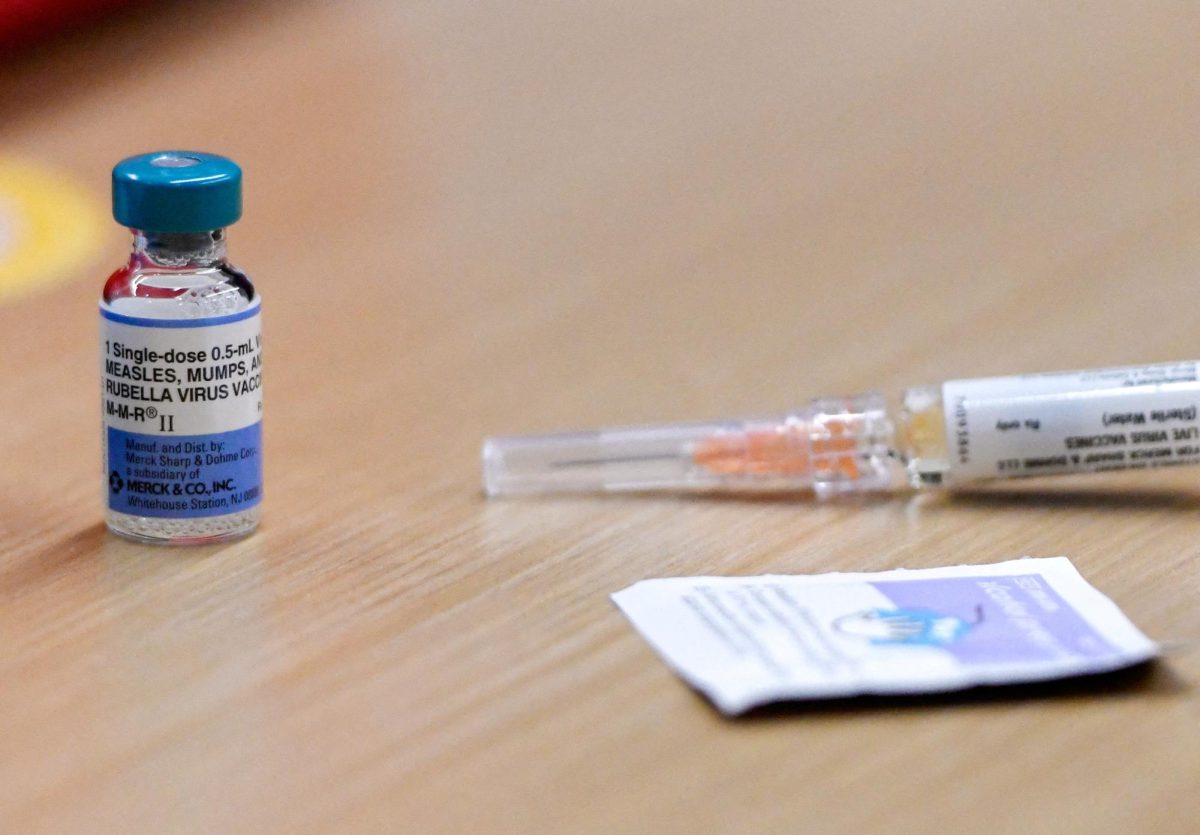
Getting your shots is another important way to stay healthy when it is cold out. The flu shot is especially important because it helps your body learn how to fight off the virus so you do not get seriously sick. Even if you still catch something, getting vaccinated greatly reduces your chances of becoming severely ill, ending up in the hospital, or passing it on to more vulnerable people, such as older adults and young children.
Eating a good, balanced diet is key to boosting your immune system. Consuming foods rich in vitamins and minerals, such as fruits, vegetables, lean meats, and whole grains, gives your body what it needs to fight off sickness. Vitamins like vitamin C, vitamin D, and zinc are especially important for keeping your immune system strong. Drinking enough water is also a big deal, as it helps your body regulate temperature, transport nutrients, and remove waste.
Eating well and exercising can further strengthen your immune system. Moderate physical activity improves blood circulation, allowing immune cells to move throughout the body and do their job effectively. Activities such as walking, stretching, or light exercise are especially helpful during the winter months when people tend to be less active.
Making an effort to avoid germs is another important way to prevent illness. Keeping a safe distance from people who are sick, covering coughs and sneezes, and regularly cleaning frequently touched surfaces can help limit the spread of viruses. Staying home when you are not feeling well is also important so you do not spread illness at school, work, or in public places.
Managing stress is another key part of staying healthy that many people forget about. Long-term stress can weaken the body’s defenses. Practices such as deep breathing, listening to music, or maintaining a consistent daily routine can help reduce stress and improve overall well-being.
By following these habits, you can reduce your chances of getting sick this winter. When small, healthy habits are practiced consistently, they can make a big difference—not only for your own health but for the health of those around you as well.