
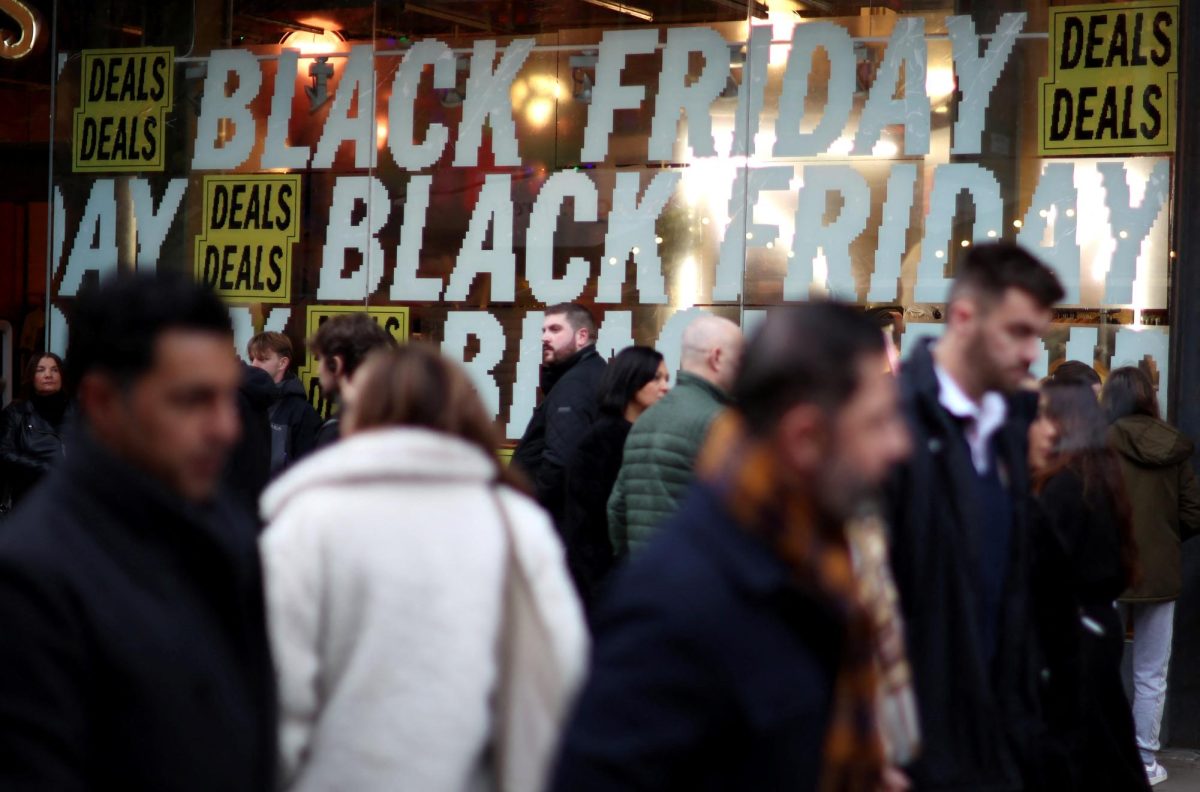
For as long as retail shopping has been prevalent in society, the day after Thanksgiving has been a staple in the consumerist experience. Black Friday has always promised excellent deals, altercations over discounted televisions, and mile long lines outside of malls in the earliest hours of the morning. However, in recent years, the decline in the appeal of Black Friday has become increasingly evident.
While a few years ago, it wasn’t uncommon to camp outside of an H&M in hopes of securing a 75% off sweater, nowadays it’s simply easier to take advantage of Black Friday online. Mainly due to recent adaptations to combat social distancing and quarantine, the average person is well aware that shopping is much more convenient from the comfort of their own home. As a result, the general public has abandoned the traditional Black Friday mall rushes in favor of online websites such as Amazon.
While Black Friday has become a sort of nostalgic tradition in modern society, providing a sense of unity over likeminded goals to come home with discounted appliances, it’s undeniably lost its original appeal of convenience and efficiency.
This isn’t to say that people will refuse to take advantage of sales anytime soon. But, the typical stereotypes surrounding Black Friday are quickly becoming a thing of the past. Rest assured, Black Friday isn’t going away anytime soon. But, it’s inevitably evolved into yet another victim of the rising digital age.