
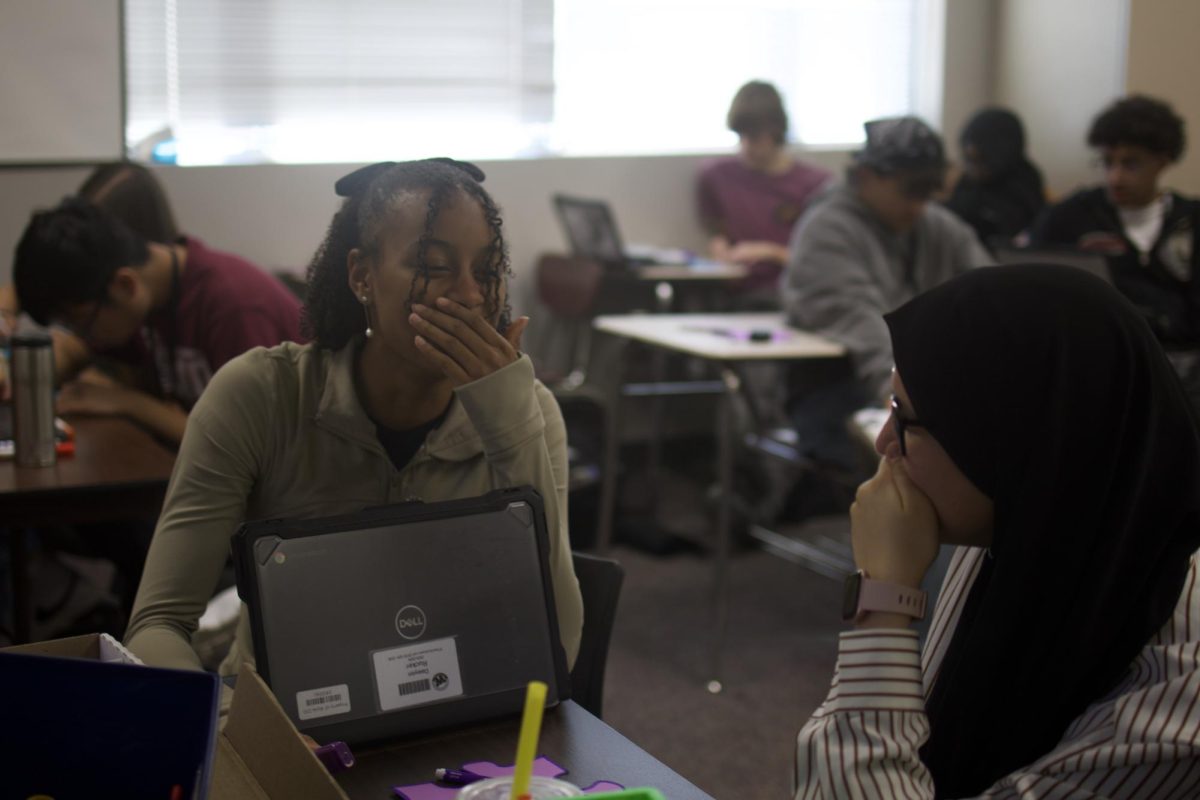
Time seems to go slowly, the period never seems to end, and everyone just wants to go home and sleep. We all know about senioritis, the endless desire to get out of high school by seniors. Phenomenons like Senioritis have been etched into our collective memories. But what about the sophomore slump? When we reach sophomore year, do we suddenly stop doing well? I wondered if this phenomenon was backed by science. So, let’s get to the bottom of this.
For those who are not aware, the sophomore slump is defined as a decrease in academic performance by students in their second year of high school or university. Not only does GPA decrease, but mental health and retention rates also suffer due to the sophomore slump. The sophomore slump can also refer to the tendency for sophomores to be lonely.
And there’s science to prove this phenomenon. According to a 2013 study, 6% of students at major flagship state schools drop out during their second year, and a quarter of second-year students do not feel either at home on their campus or energized by the classes they enrolled in. In addition, another study concluded 20% to 25% of sophomores experience the Sophomore Slump, and college students are more likely than high school students.
This is because, in contrast to the adventurous freshmen year, sophomore year is a never-ending, soul-searching, depressing year, constantly crushing students inside. Sophomores tend to have anxiety for the rest of their high school career, compared to their freshman year when they are as carefree as possible.
Here are some tips for those suffering from the sophomore slump: you can ask other upperclassmen who have suffered the slump for guidance. You should set clear expectations and goals for yourself and explore extracurricular activities. These tips help alleviate stress and burnout.